
Skin Department
The Science of Knowing Your Skin
Cases Treated
4k+
Cases Treated
4k+

The Science of Knowing Your Skin
Your skin is the first thing the world sees and the last thing most people truly understand. It reacts to stress, hormones, diet, environment and climate, all at once. At Therefore I'm, the Skin Department exists for one reason: to make sense of what is happening beneath the surface and address it properly.
Not sure about your concern ?
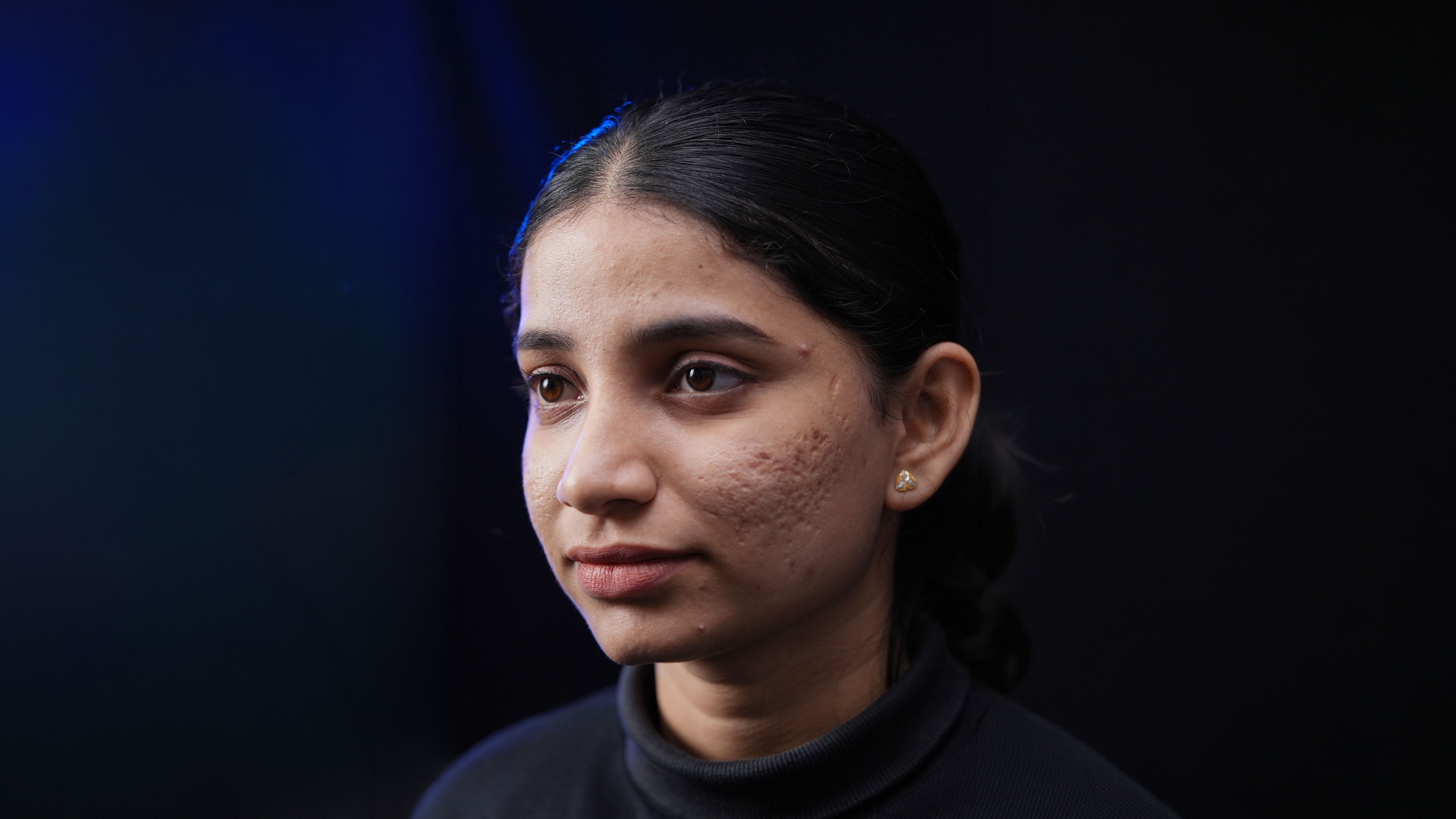
Acne and Acne Scars
Active breakouts, blackheads, congested pores or recurring acne that keeps returning despite treatment.
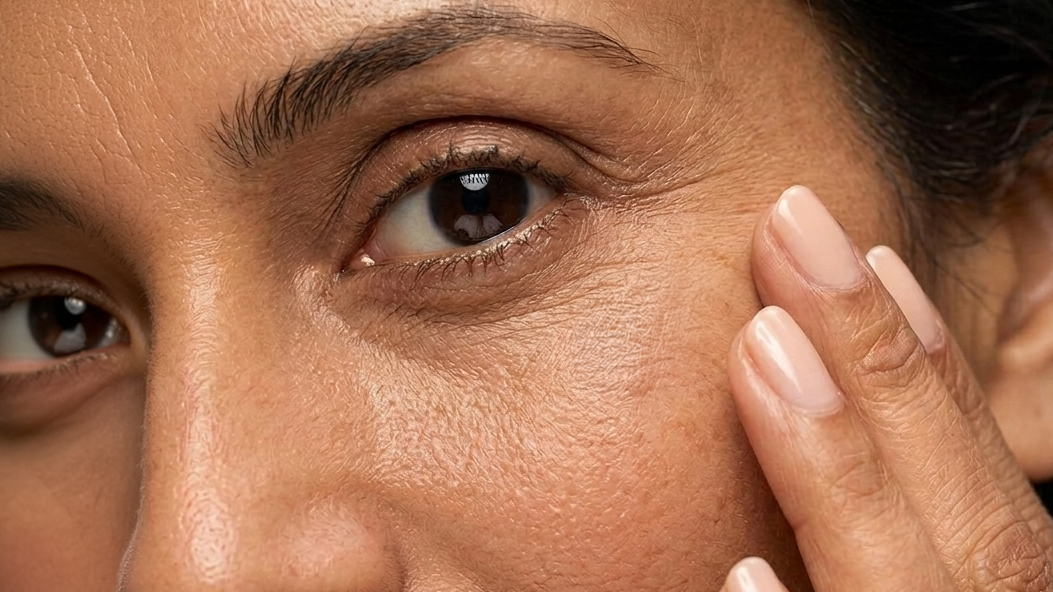
Ageing
Fine lines, wrinkles, skin laxity or a loss of facial definition that has developed gradually over time.
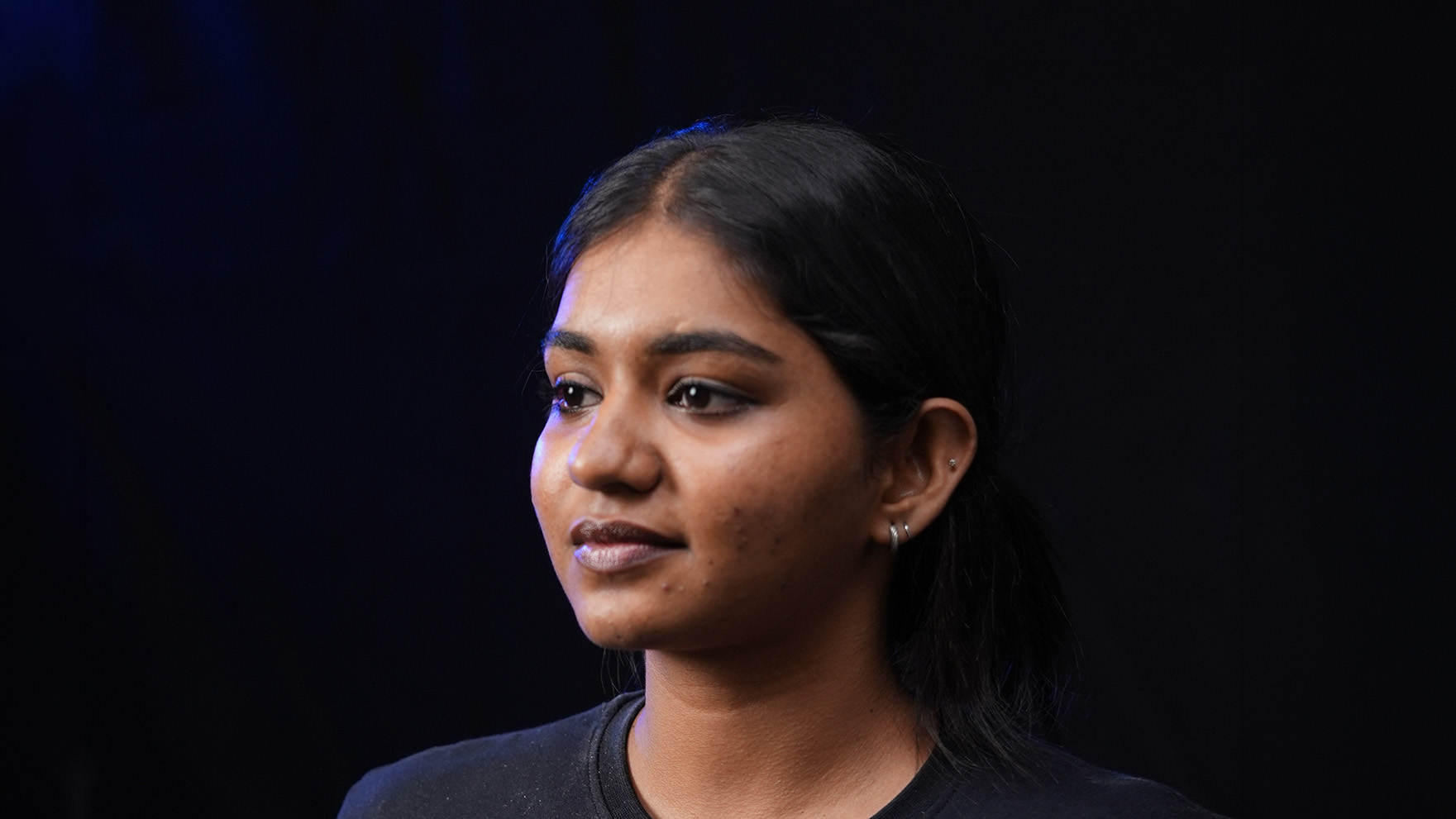
Dullness
Rough texture, dullness, enlarged pores or skin that looks tired despite a consistent skincare routine.
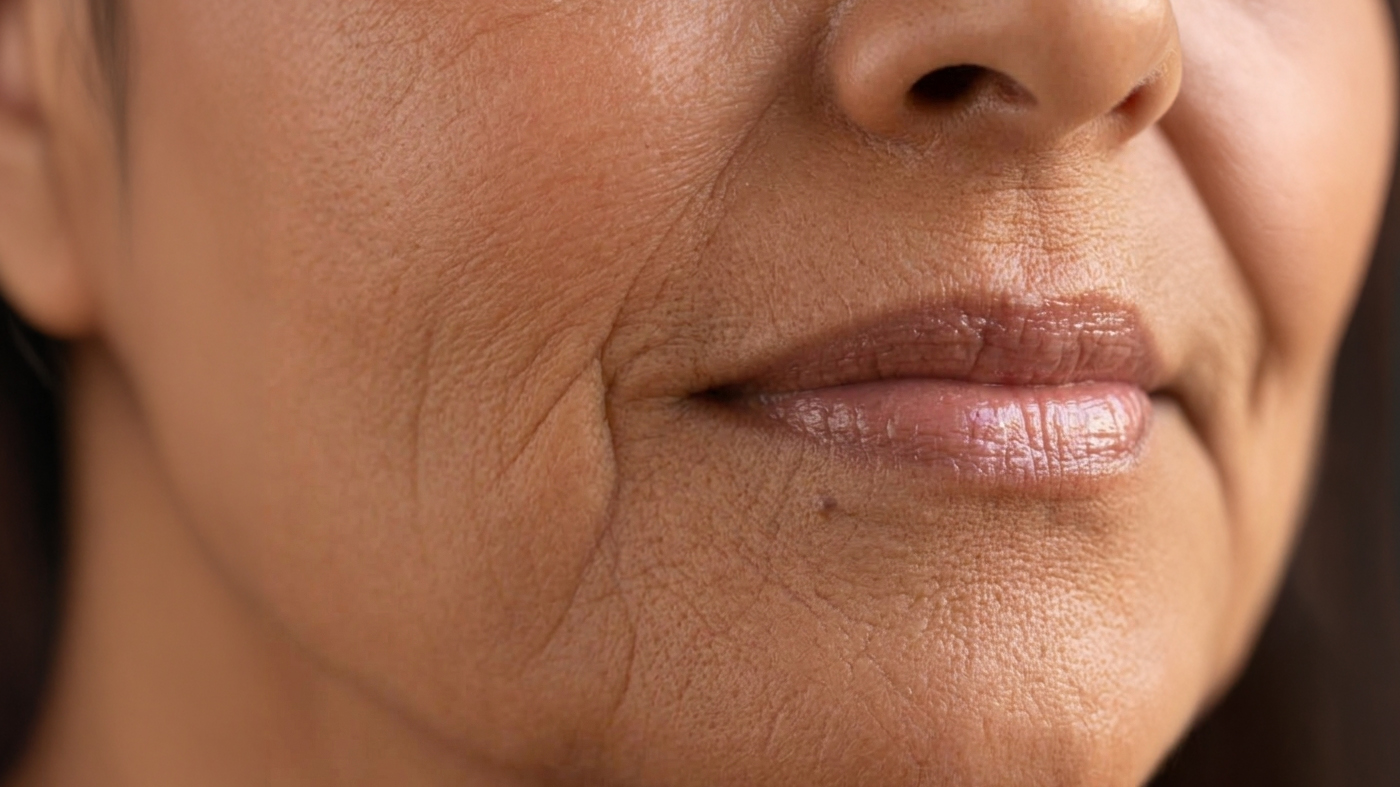
Loss of Skin Elasticity
Skin that has lost its firmness and structure, particularly around the face, neck, jaw or arms.
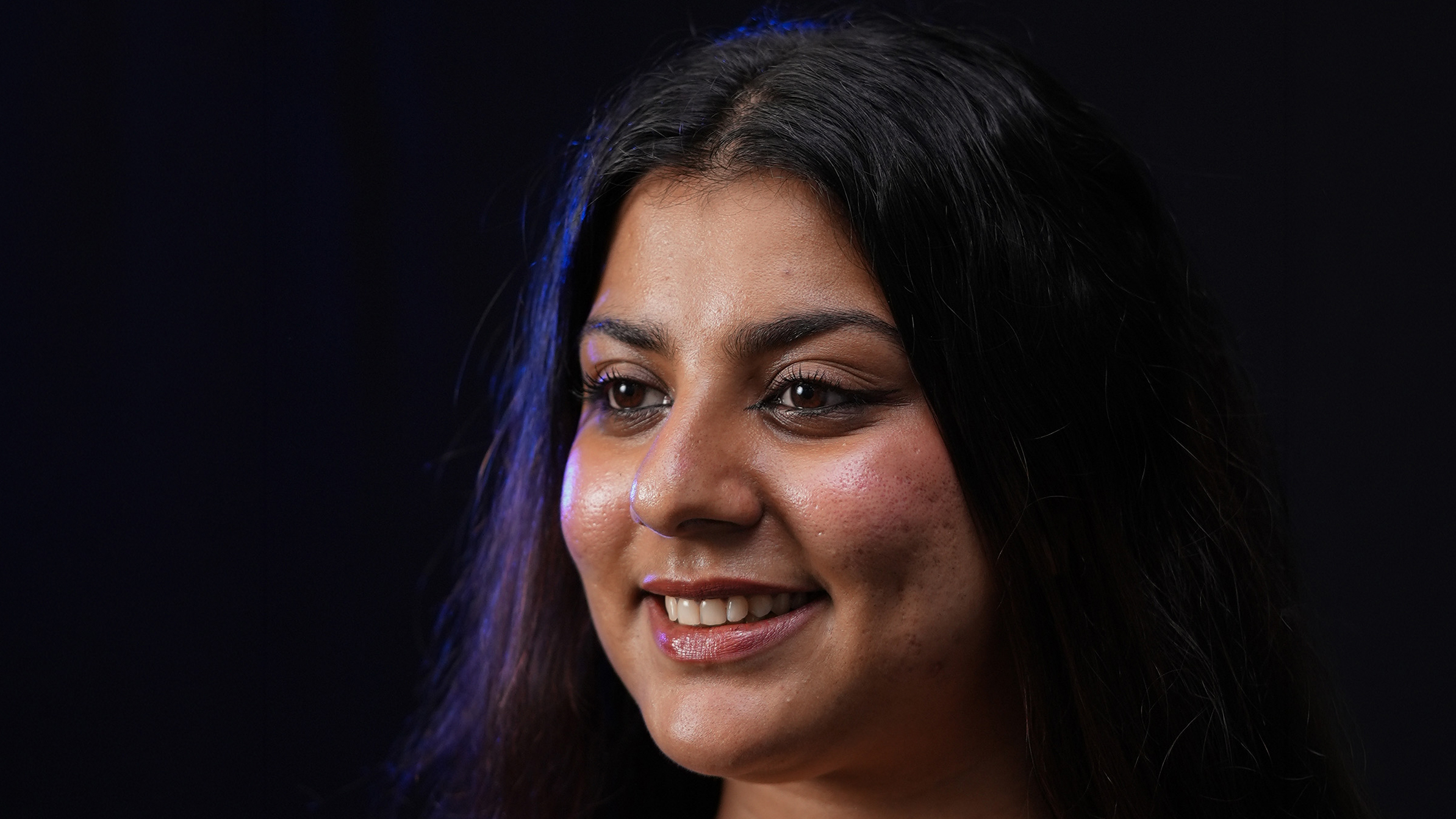
Pigmentation
Dark spots, melasma, uneven skin tone or post-acne marks that haven't responded to regular skincare.

Uneven Skin Texture
Rough, bumpy or pitted skin that feels inconsistent and does not respond to regular skincare alone.
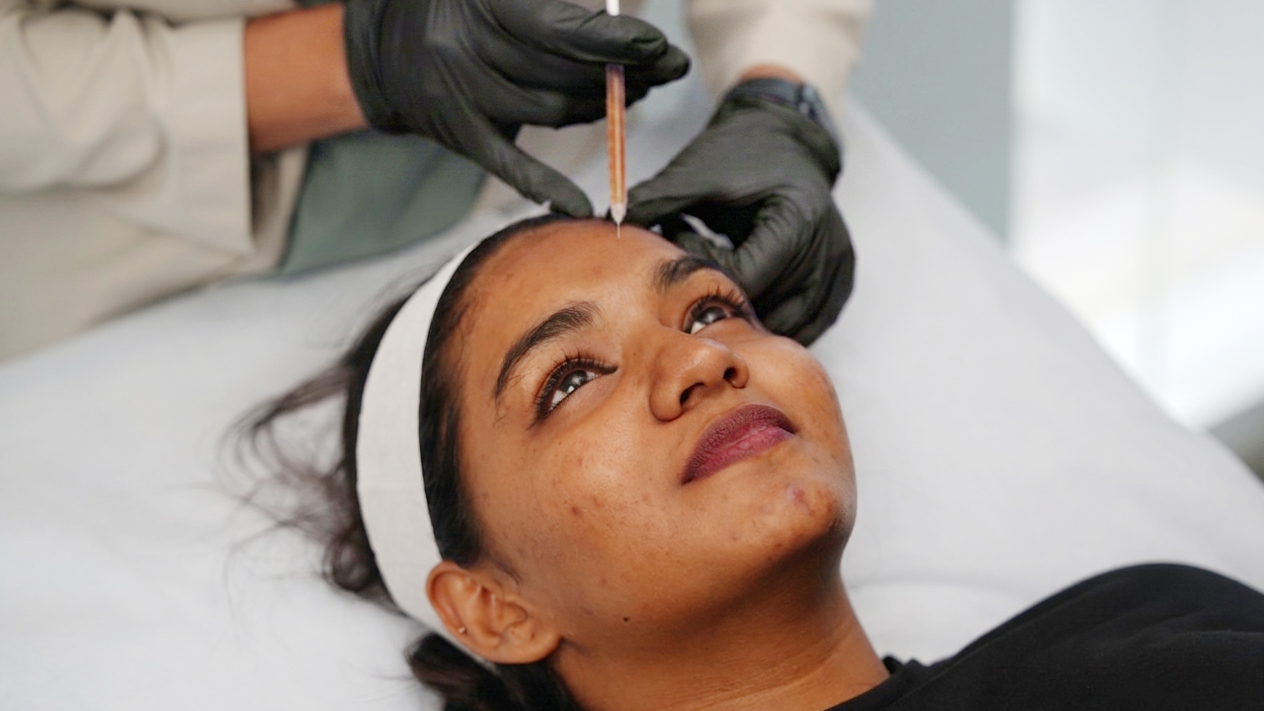
GFC for Skin
A refined regenerative skin treatment isolating a higher concentration of growth factors for targeted collagen stimulation and skin quality improvement.
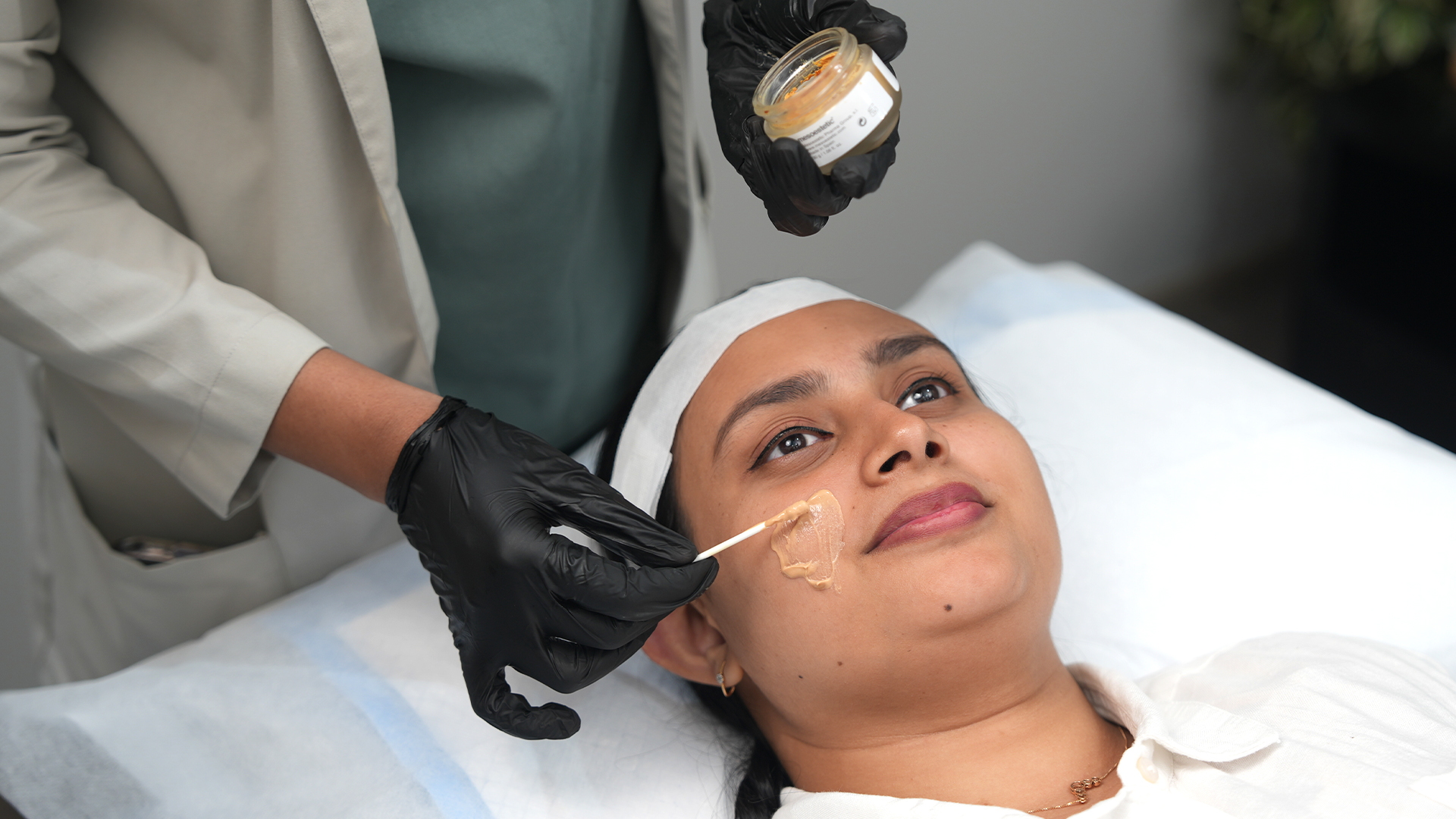
Cosmelan Peel
An intensive medical depigmentation treatment that targets melanin production at its source, followed by a structured home-care phase for sustained results.
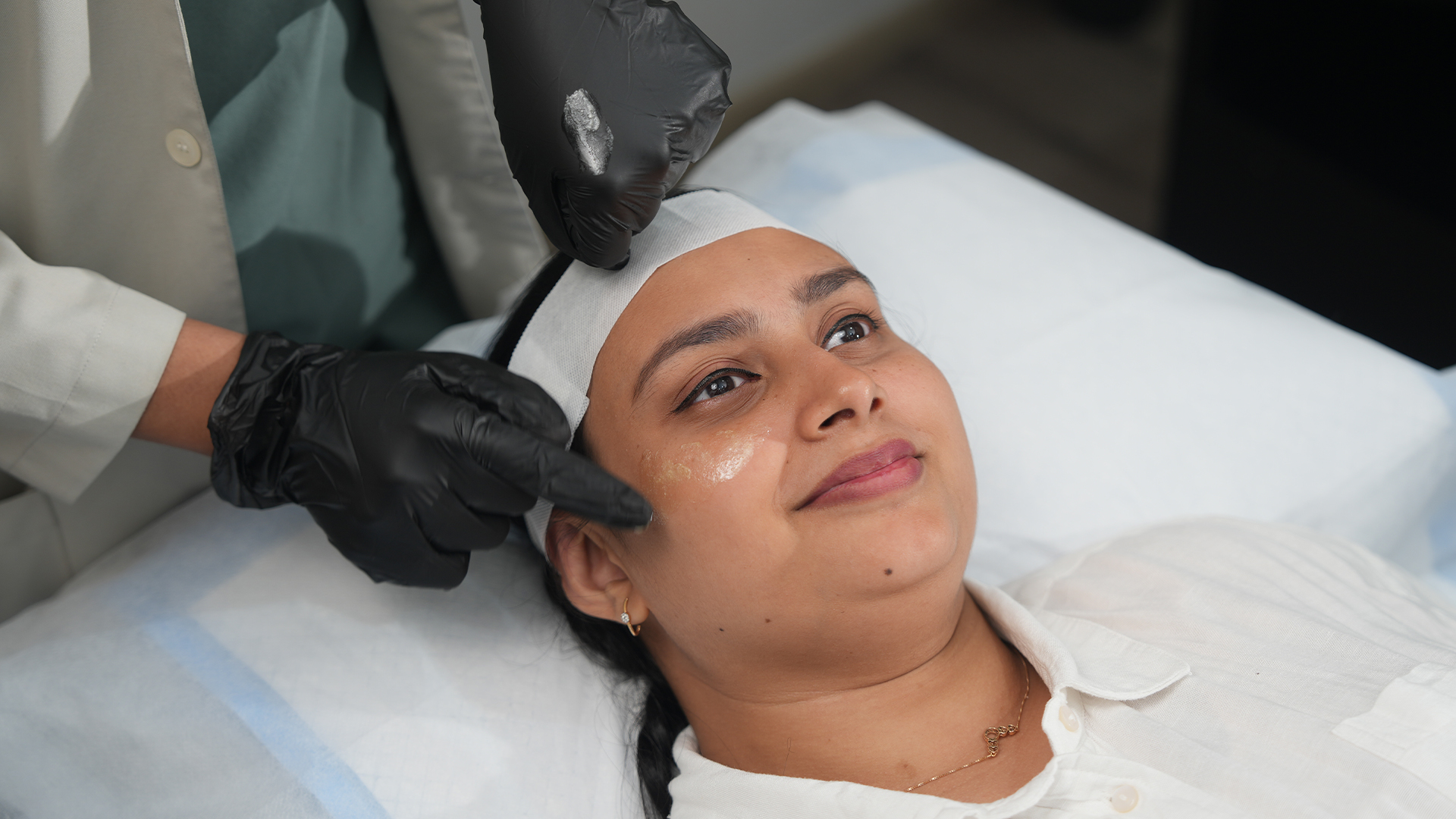
Brite Peel
A medical depigmenting peel designed for stubborn melasma, dark patches and sun-induced pigmentation that has not responded to regular skincare.
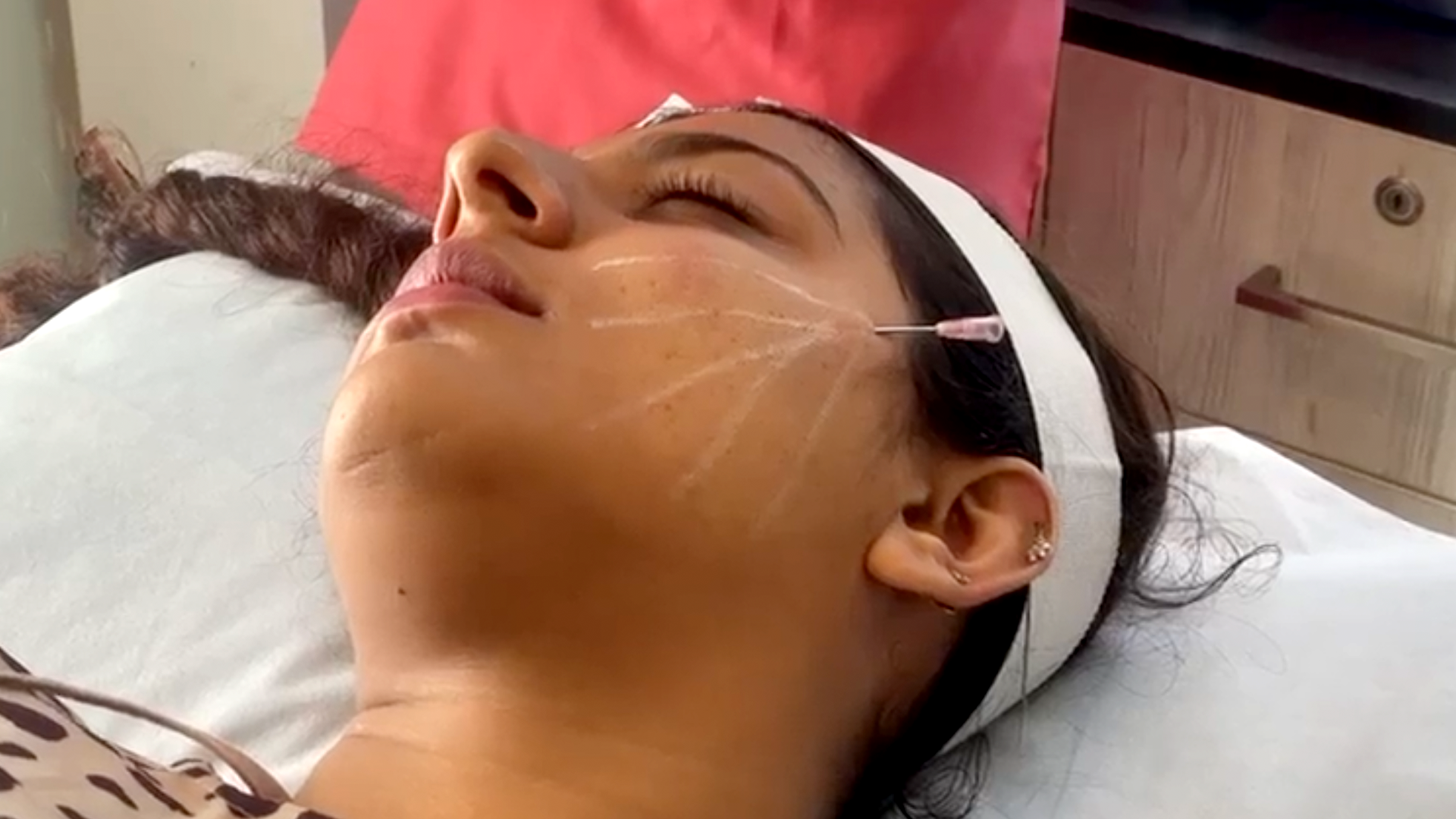
COG Threads
A minimally invasive thread lift using barbed dissolvable threads to immediately reposition sagging tissue while stimulating long-term collagen production.
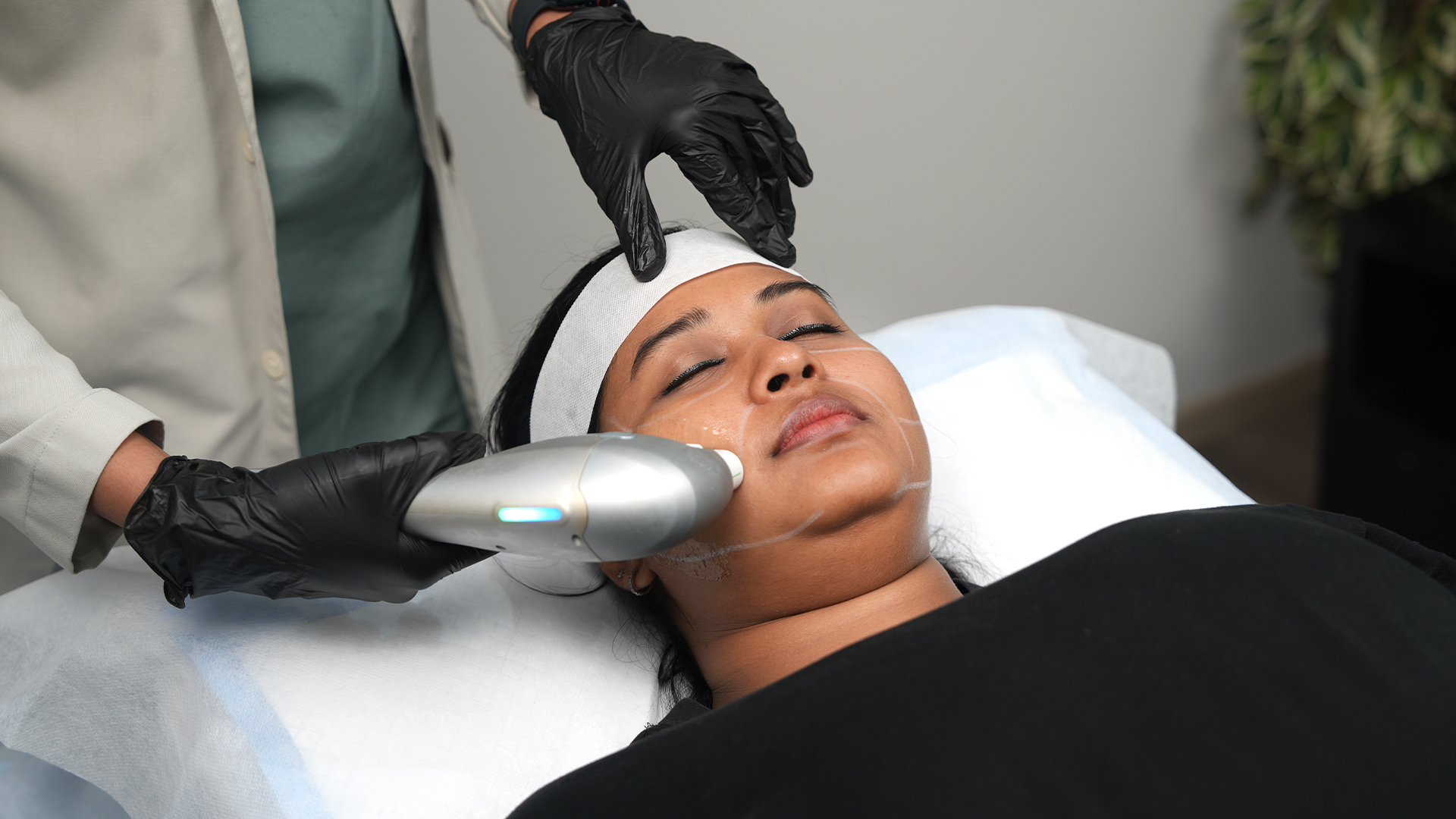
HIFU
A non-invasive skin tightening treatment using focused ultrasound energy to stimulate collagen deep beneath the surface, lifting and firming without incisions.
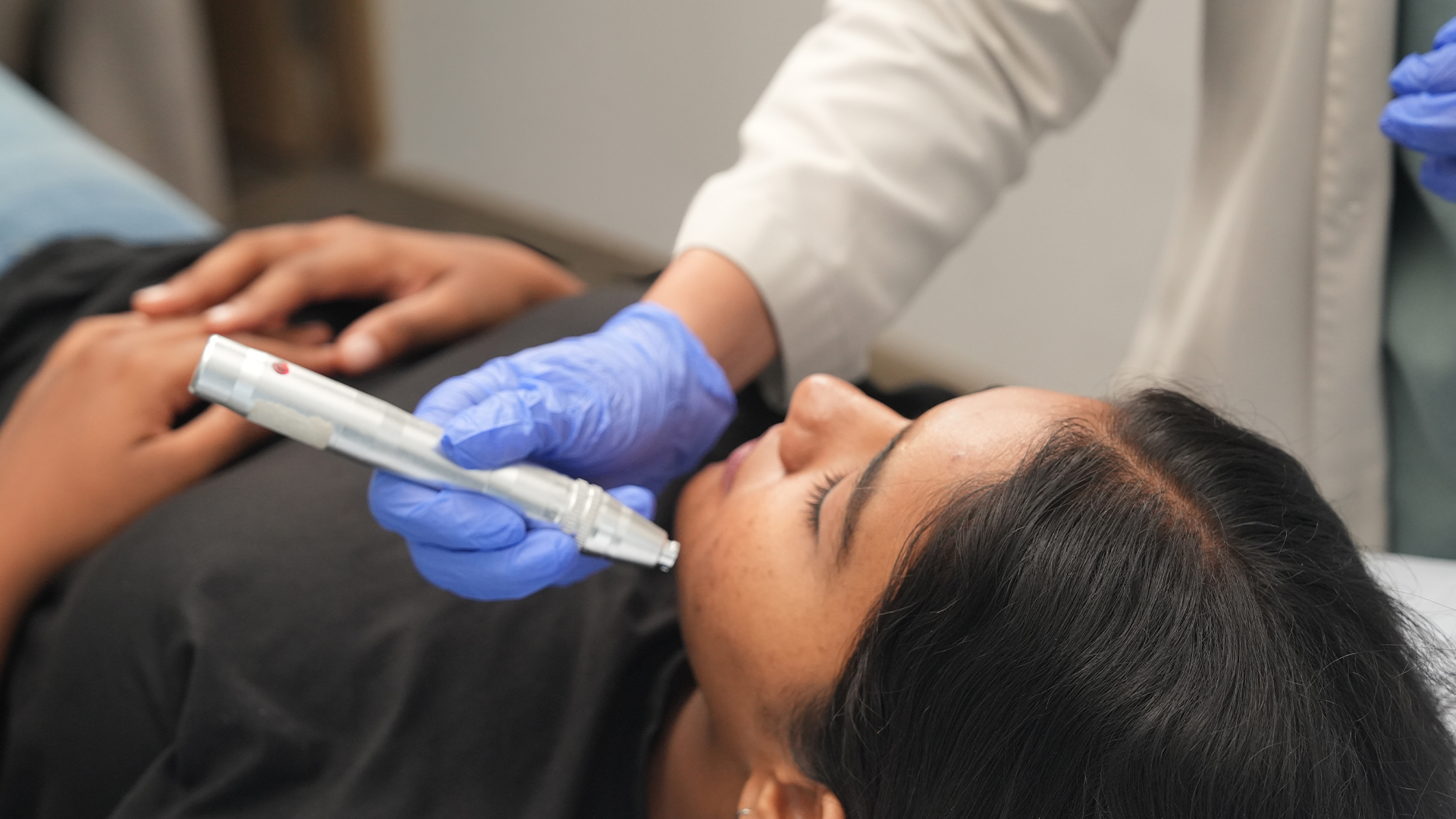
Microneedling
A minimally invasive procedure using fine needles to trigger collagen production, improving acne scars, uneven texture, and overall skin quality.
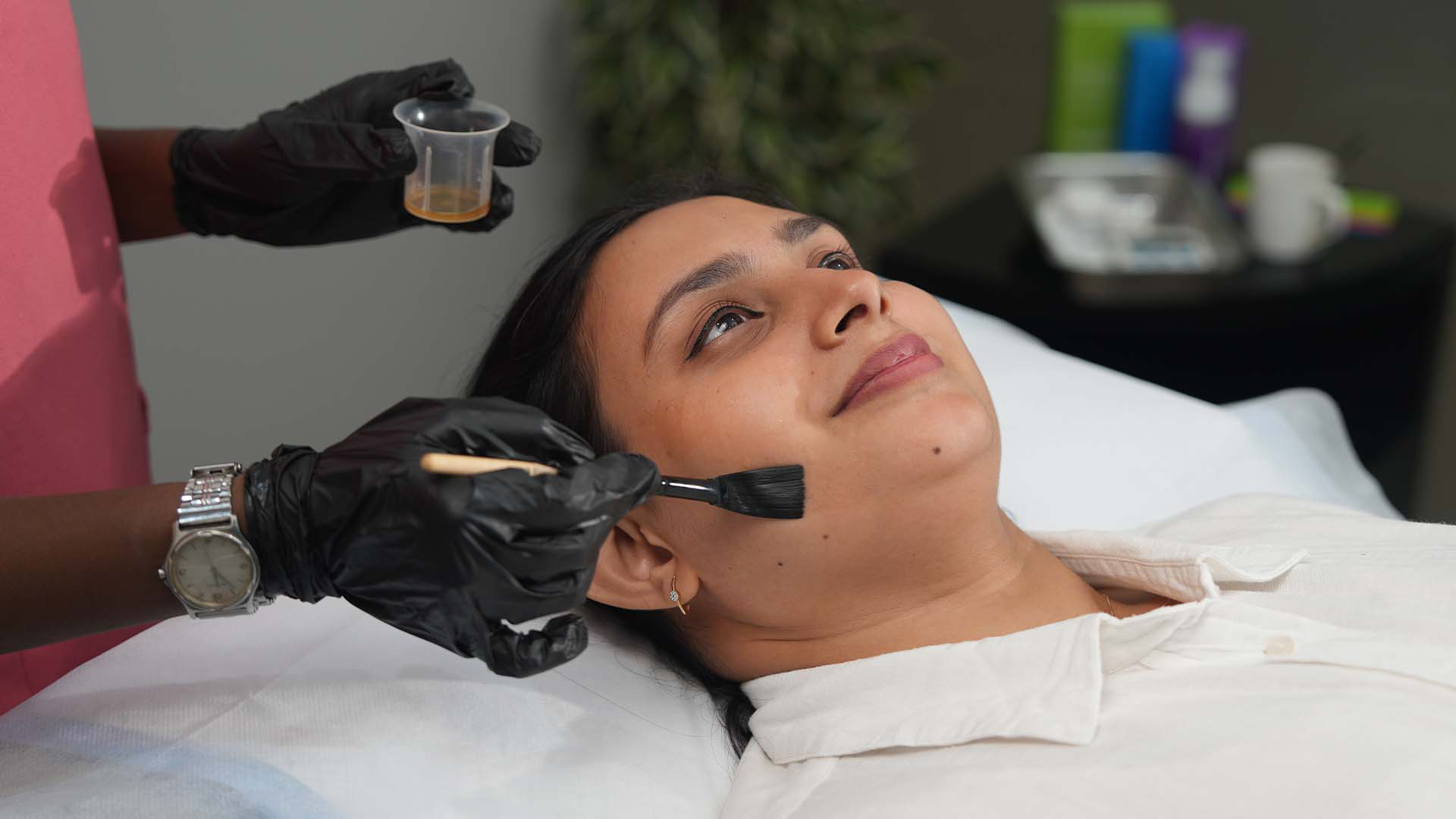
Peel Black
A medical-grade chemical peel designed for oily and acne-prone skin, using salicylic acid to clear congested pores and reduce active breakouts.
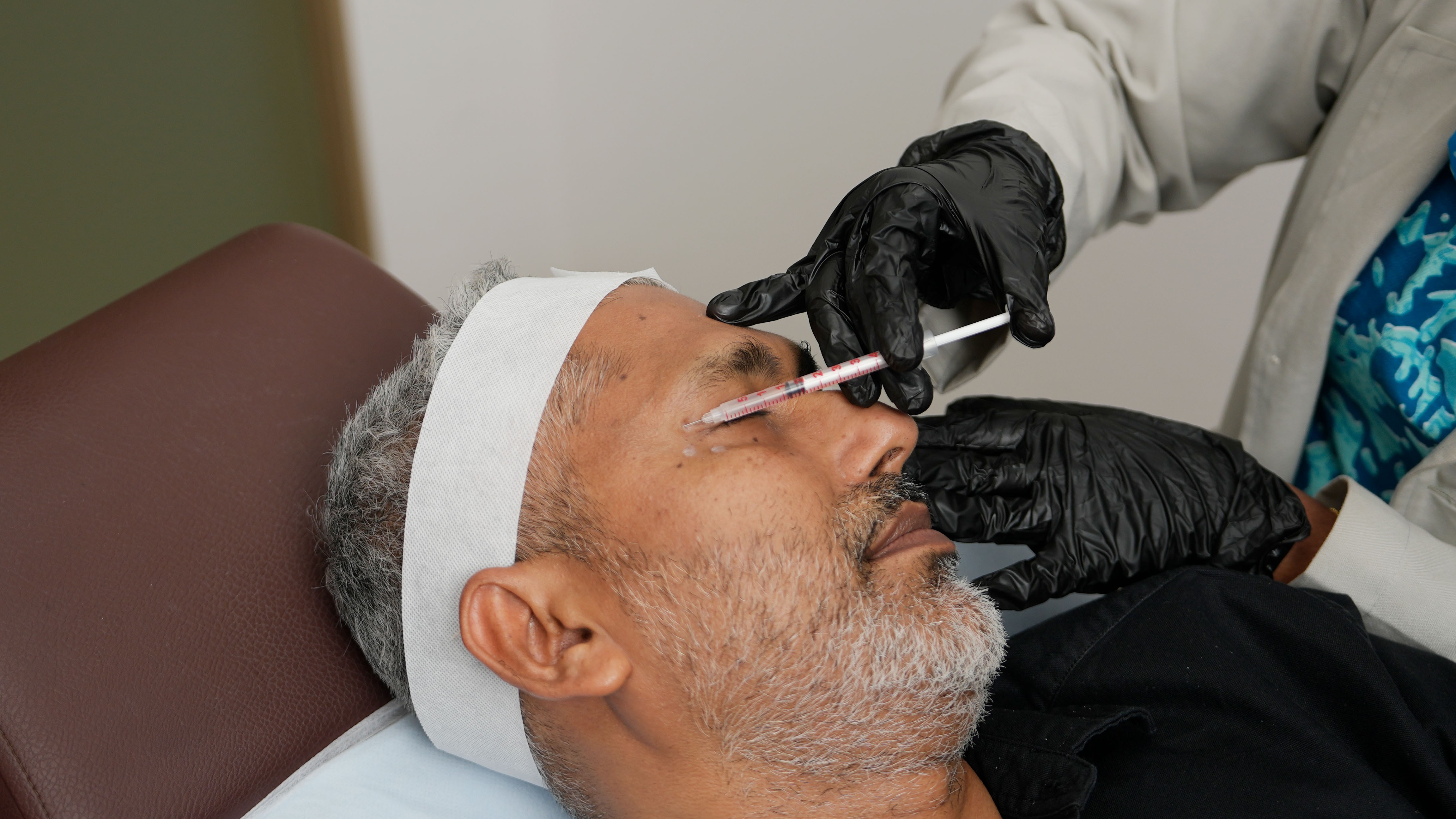
Botox
An injectable treatment that temporarily relaxes facial muscles responsible for expression lines, softening wrinkles and refining the jawline.
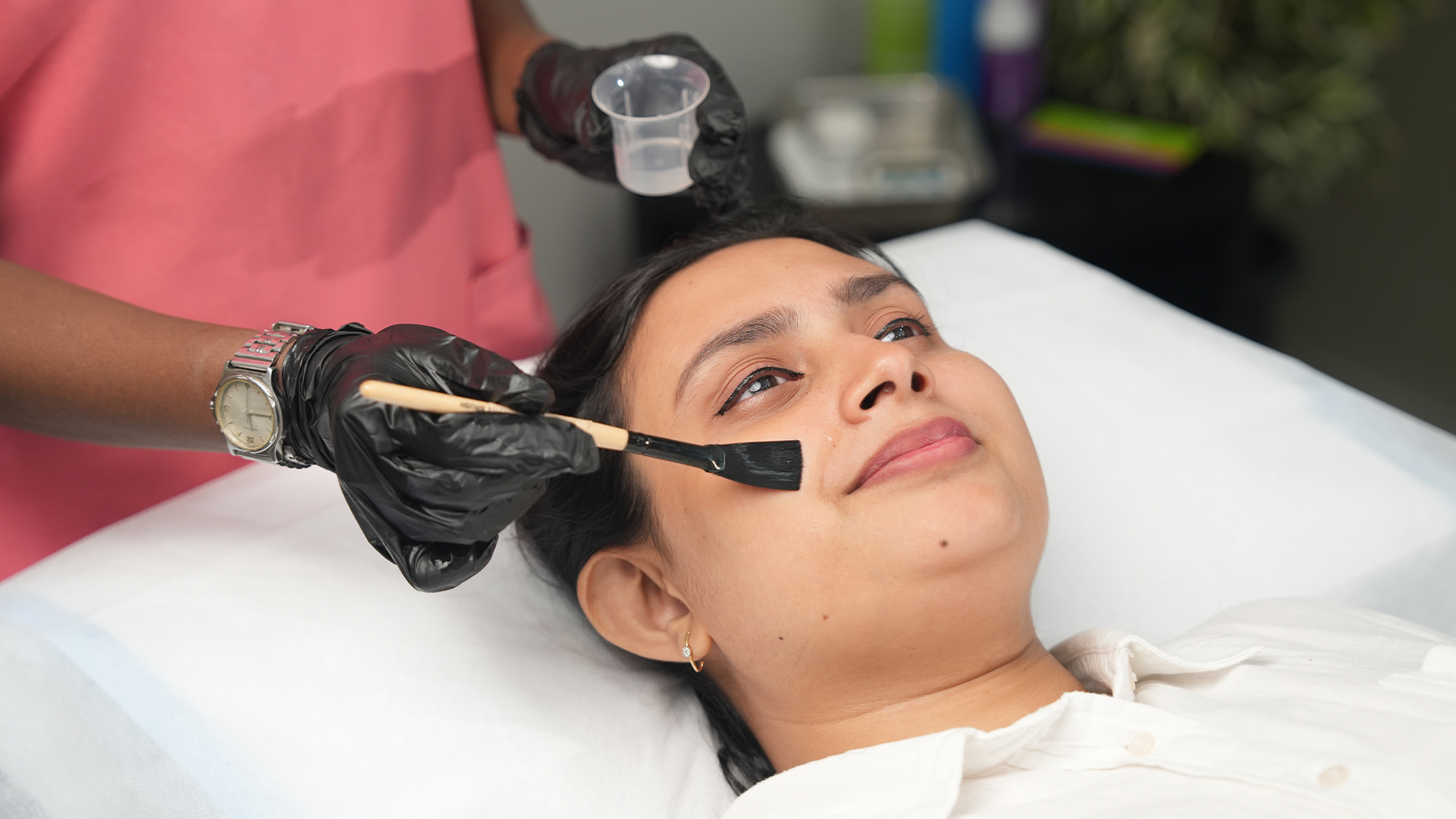
Medipeel
A clinically supervised chemical exfoliation that addresses acne, pigmentation, uneven texture and dullness using medical-grade formulations.
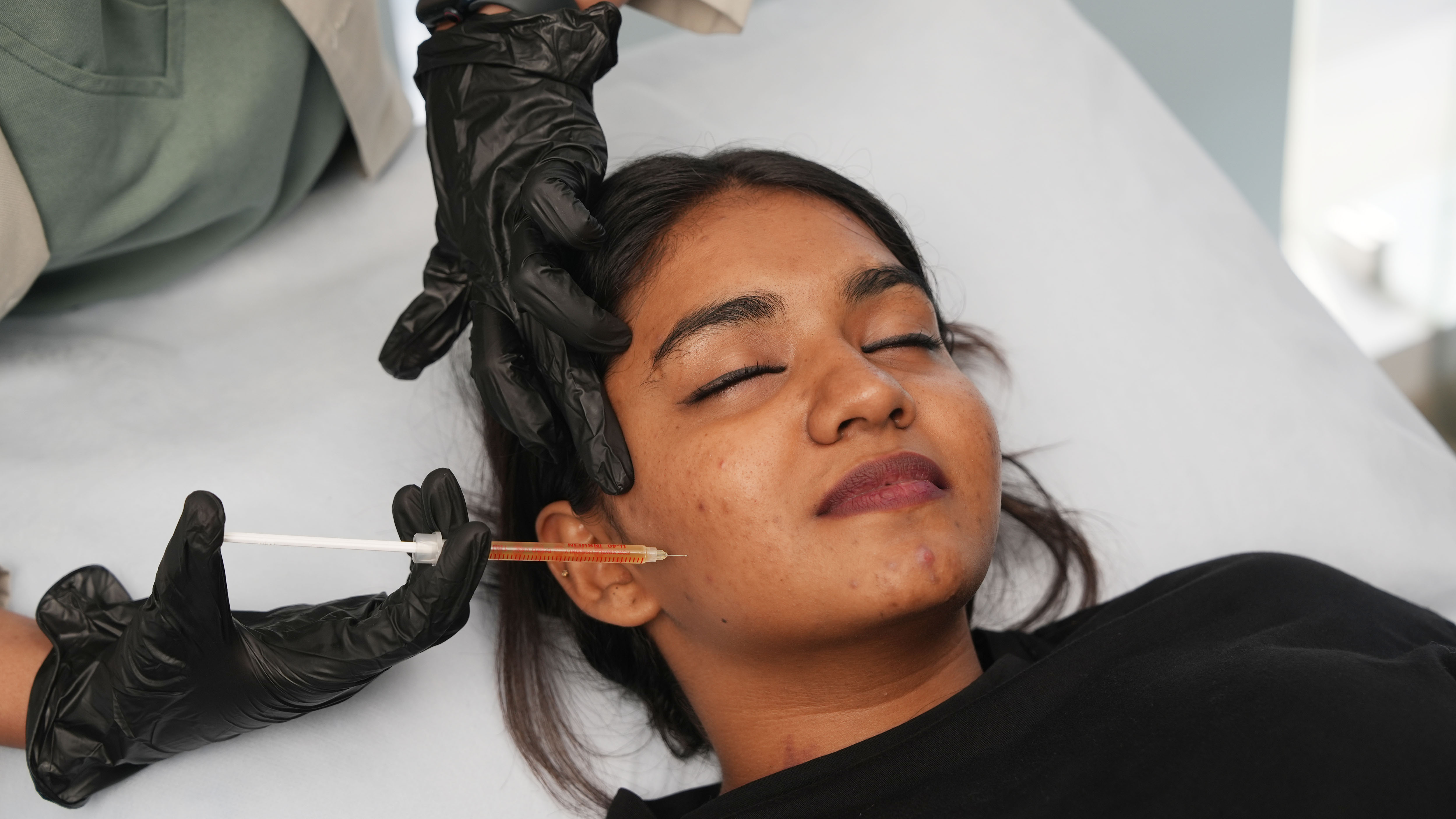
PRP for Skin
A skin treatment using your own blood's concentrated platelets to stimulate collagen, improve texture and restore a healthier, even tone.
We treat the cause, not just
the surface.
Layer 01
Surface Layer
Aesthetics
Layer 02
Epigenetics
Nutrition & lifestyle
Layer 03
Genetics
Baseline biology
Aesthetics
External factors are clinically addressed through personalized protocols designed to optimize barrier health, scalp function, and treatment outcomes.
Nutrition & lifestyle
Diagnostic-led protocols are designed to optimize metabolic balance, hormonal function, and systemic wellness to support long-term skin resilience , hair vitality and overall well-being
Baseline biology
Regenerative strategies are designed to strengthen cellular function, support biological repair, and optimize long-term skin, hair, and wellness outcomes.
A consultation is just a conversation
You come in with your concerns, we take the time to understand them, and you leave with a clearer picture than you walked in with.
Common questions about
Skin Department
Will my face look pulled or unnatural?
+
When performed correctly, the result appears natural like a more rested, lifted version of you rather than a change in facial identity.
Will Botox make my face look frozen or unnatural?
+
Not when it is done correctly. The goal is relaxation of specific muscles, not elimination of all movement. A proper facial assessment before treatment is what ensures the result looks like you.
At what age should I start anti-ageing treatments?
+
Many patients begin in their late twenties or early thirties with skin-quality-focused treatments, gradually progressing based on visible changes over time.
How is texture treatment different from pigmentation treatment?
+
Pigmentation is a colour irregularity, while texture is a structural irregularity affecting the skin’s surface and deeper layers. Both coexist and are frequently treated together for comprehensive results.
How soon will I see results?
+
Initial changes start appearing within 5 to 7 days. The full effect is visible at around 1 to 2 weeks.


