The real reason you're still breaking out in your 30s

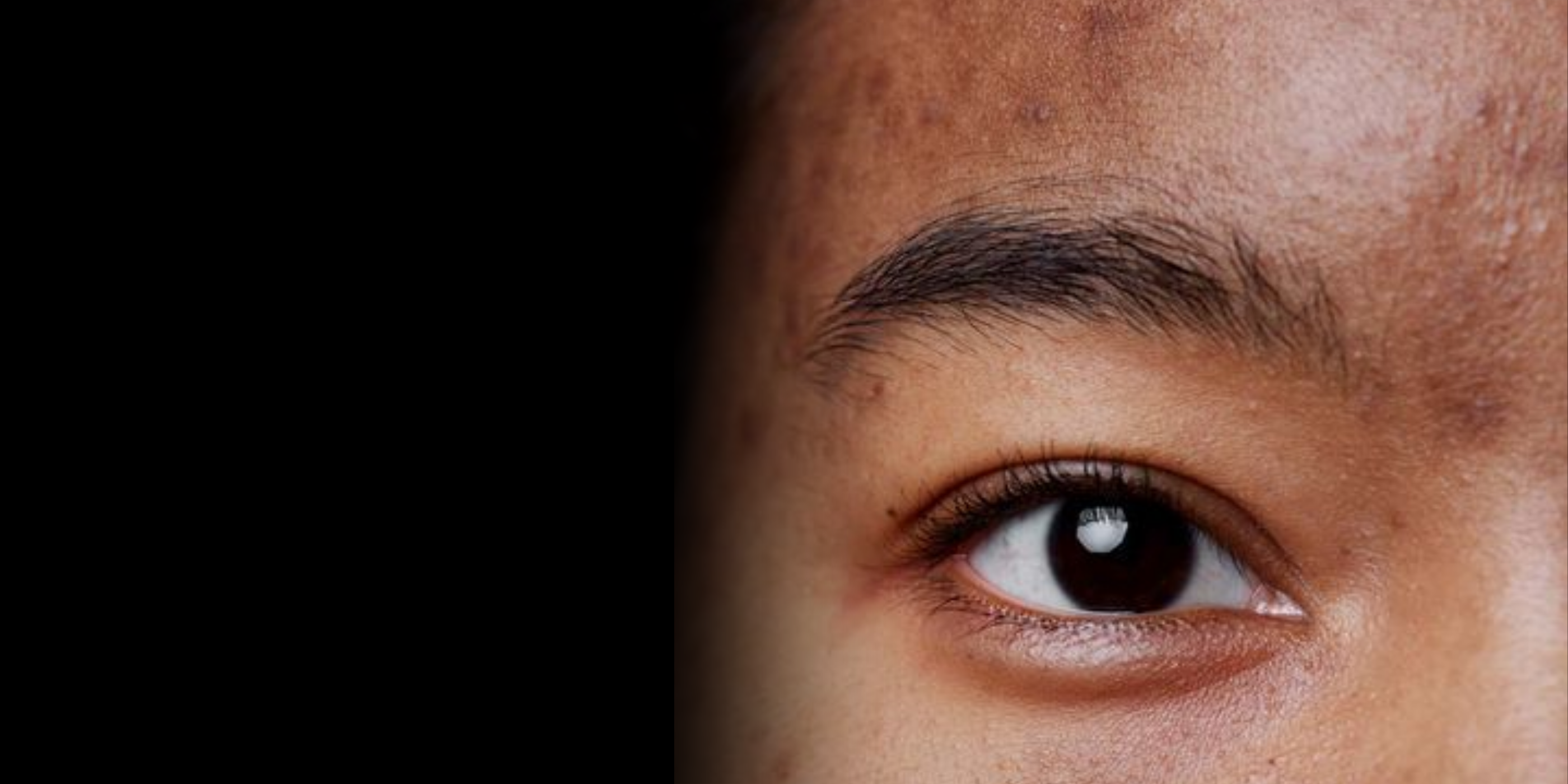
At Therefore I'm Clinic, we see this story play out every day. Professionals, entrepreneurs, new parents, and executives often arrive frustrated and confused, convinced they're somehow doing something wrong. The reality is far less simple—and far more interesting.
Adult acne is not teenage acne with a few extra birthdays attached. It is a distinct condition influenced by a complex interplay of hormones, inflammation, lifestyle, genetics, and skin biology.
Understanding that difference is often the first step toward finally getting it under control.
Teenage acne is largely driven by the hormonal surge of puberty. Adult acne, on the other hand, tends to be multifactorial.
By the time you're in your 30s, your skin is responding not only to hormones but also to chronic stress, disrupted sleep, environmental exposures, skincare habits, dietary patterns, and even underlying medical conditions. It's one reason why the products that worked brilliantly when you were 16 often seem completely ineffective at 36.
Your skin has evolved. Your lifestyle has evolved. Your treatment strategy needs to evolve too.

Let's start with the factor most commonly associated with adult acne: hormones.
Interestingly, many patients with so-called hormonal acne have hormone levels that fall entirely within the normal range. The issue is often not the amount of hormones circulating in the body, but how sensitive the skin is to them.
Dermatologists refer to this as androgen sensitivity. Androgens stimulate the sebaceous glands, encouraging oil production. In some individuals, these glands respond more aggressively, creating the perfect environment for clogged pores and inflammation.
This is why adult acne often appears in a very specific pattern—along the chin, jawline, neck, and lower cheeks. If your breakouts seem to worsen before your menstrual cycle, hormones are likely playing a significant role.
Research has shown that persistent acne is actually more common than adult-onset acne, meaning many adults are dealing with a condition that quietly continued long after adolescence ended.
There is a reason your skin seems to flare during particularly demanding periods of life.
Dermatologists often describe the connection between emotional wellbeing and skin health as the "brain-skin axis." When you're stressed, your body releases cortisol and other inflammatory mediators that can increase oil production, amplify inflammation, and impair the skin's ability to heal.
Think back to the last major deadline, financial challenge, or particularly exhausting week. Chances are your skin wasn't having its best moment either.
This isn't coincidence. Numerous studies have demonstrated a relationship between psychological stress and acne severity. Your skin is often one of the first places where internal stress becomes visible
Sleep is one of the most underrated skincare treatments available—and it's completely free.
During sleep, the body repairs damaged tissues, regulates inflammation, and restores the skin barrier. When sleep becomes inconsistent or insufficient, those processes become less efficient.
Elevated cortisol levels, increased inflammation, slower healing, and prolonged redness can all follow. As a result, breakouts tend to linger longer and leave behind more noticeable marks.
Many adults invest heavily in skincare products while consistently sleeping less than six hours a night. Unfortunately, no serum can fully compensate for chronic sleep deprivation.
For years, dermatologists dismissed the connection between diet and acne. Today, the conversation is far more nuanced.
While food is rarely the sole cause of acne, growing evidence suggests that certain dietary patterns may worsen breakouts in susceptible individuals.
High-glycaemic foods—such as sugary drinks, pastries, processed snacks, and refined carbohydrates—can trigger insulin spikes that influence hormonal pathways linked to acne. Similarly, some studies have found associations between dairy consumption, particularly skim milk, and acne severity.
This doesn't mean everyone with acne should eliminate dairy or avoid carbohydrates entirely. It simply highlights the importance of understanding individual triggers rather than following blanket dietary rules.
One of the most common mistakes we see in clinic is not under-treating acne—it's over-treating it.
In an effort to achieve clear skin, many adults unknowingly damage their skin barrier through excessive exfoliation and aggressive skincare routines. Layering multiple active ingredients, using strong acids too frequently, or combining retinoids with several other treatments can leave the skin irritated and inflamed.
Ironically, this often worsens the very problem people are trying to solve.
We also frequently see breakouts linked to cosmetic products, sunscreens, haircare products, and moisturisers that are not well suited to an individual's skin type. Acne around the hairline, temples, and jawline can sometimes be traced back to products that seem completely unrelated to skincare.
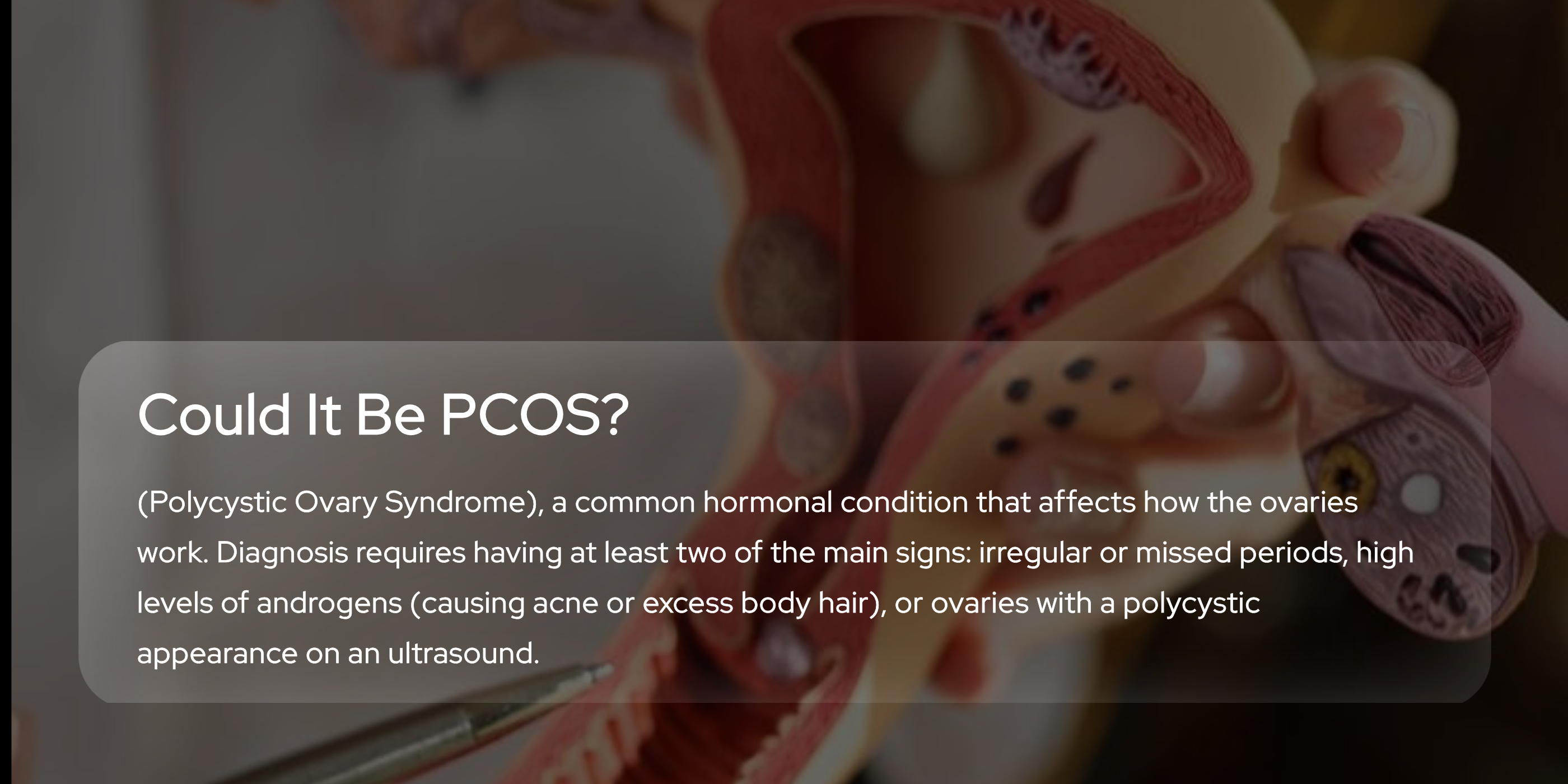
Sometimes acne is more than a skin concern.
Polycystic Ovary Syndrome (PCOS) is one of the most common hormonal conditions associated with persistent adult acne. When breakouts occur alongside symptoms such as irregular periods, excess facial hair, hair thinning, or unexplained weight gain, a deeper medical evaluation may be warranted.
Acne can occasionally serve as an important clue that something else is happening beneath the surface.
This is why effective treatment often begins with asking the right questions rather than simply prescribing another cream.
One of the most fascinating developments in acne research involves the skin microbiome—the vast ecosystem of microorganisms that live on the skin's surface.
For years, acne was viewed primarily as a problem of excess oil and bacteria. Today, researchers understand that balance matters just as much as bacterial presence.
When the microbiome becomes disrupted, inflammation can increase and barrier function may weaken, creating conditions that favour breakouts. Emerging research is exploring how microbiome-focused therapies could transform acne treatment in the years ahead.
It's an area of dermatology that is evolving rapidly and may fundamentally change how we think about acne management.
Many adults notice that their acne seems to leave a lasting reminder long after the pimple itself has disappeared.
Unlike teenage skin, adult skin heals more slowly. Cell turnover decreases with age, inflammation tends to persist longer, and collagen production gradually declines.
As a result, breakouts are more likely to leave behind pigmentation, redness, or even permanent scarring. Post-inflammatory hyperpigmentation and persistent redness are particularly common in adult patients, while untreated inflammatory acne can eventually lead to textural scars that become increasingly difficult to correct.
This is one reason dermatologists emphasise early intervention. Treating acne promptly isn't just about preventing future breakouts—it's about protecting the skin from long-term damage.
The most effective treatment depends entirely on the underlying cause.
For some patients, topical retinoids remain the gold standard, helping to regulate cell turnover, prevent clogged pores, and improve pigmentation. Others may benefit from ingredients such as salicylic acid or benzoyl peroxide, while hormonal therapies can be transformative for carefully selected patients with hormonally driven acne.
Professional treatments such as chemical peels and prescription medications may also play an important role when acne is persistent or resistant to over-the-counter products.
The key is recognising that acne treatment is rarely one-size-fits-all. What works beautifully for one person may do very little for another.
If your acne has persisted for several months despite your best efforts, if breakouts are painful or cystic, if scarring is beginning to develop, or if you suspect an underlying hormonal issue, it's worth seeking professional guidance.
The earlier acne is properly diagnosed and treated, the easier it becomes to prevent long-term complications.
If you're still breaking out in your 30s, it isn't because you've somehow failed at skincare.
Adult acne is a legitimate medical condition influenced by hormones, stress, genetics, inflammation, lifestyle factors, and the unique biology of your skin. The encouraging news is that our understanding of adult acne has advanced dramatically over the past decade.
Today, we know more than ever about why adult acne develops and how to treat it effectively.
At Therefore I'm Clinic, we take a research-driven and highly personalised approach to acne care, focusing not only on treating visible breakouts but also on identifying the underlying factors driving them.
Because your skin deserves more than another internet hack.
It deserves answers.
Collier CN et al. Journal of the American Academy of Dermatology, 2008.
Tanghetti EA. Understanding the Burden of Adult Female Acne, Journal of Clinical and Aesthetic Dermatology.
Bagatin E et al. Adult Female Acne: A Guide to Clinical Practice, 2019.
Branisteanu DE et al. Adult Female Acne: Clinical and Therapeutic Particularities, 2021.
Amuzescu A et al. Adult Female Acne: Recent Advances in Pathophysiology and Treatment, 2024.
American Academy of Dermatology: Adult Acne Guidelines.